

At Dizziness and Balance Center, we are redefining neurologic and vestibular physical therapy.
Whether you’re experiencing dizziness, feeling “off,” struggling with your balance, recovering from a stroke, or managing a neurodegenerative condition such as Parkinson’s disease or Multiple Sclerosis, we have a tried-and-true approach to care built around three phases: Evaluate, Intervene, and Function. Together, we’ll work to understand your symptoms, find effective ways to address them, and help you return to a more active, confident, and mobile life.
60 minute 1:1 sessions, no distractions
Same day, same week access to treatment
Care when you need it most, no wait for referrals or authorizations
Therapeutic care co-created, not limited by insurance
Current, evidence based care, state of the art equipment
What Do We Treat
Conditions We Treat
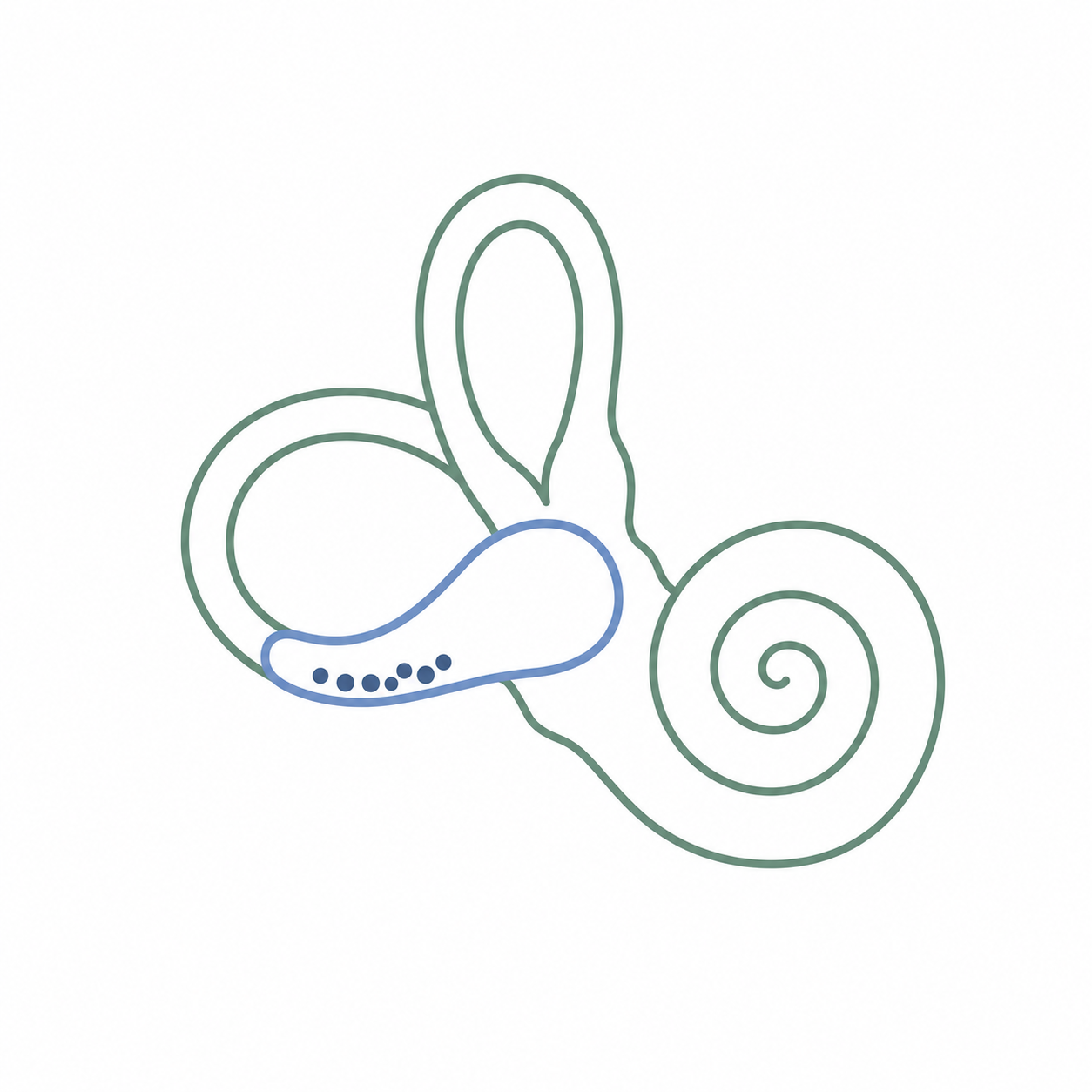
BPPV
Concussion
Parkinson’s Disease
Dizziness
Imbalance and Gait Dysfunction
Vestibular Migraine
Fall Risk Reduction
Stroke
Persistent Postural-Perceptual Dizziness (PPPD)
Vestibular Neuritis/Hypofunction
Meniere’s Disease
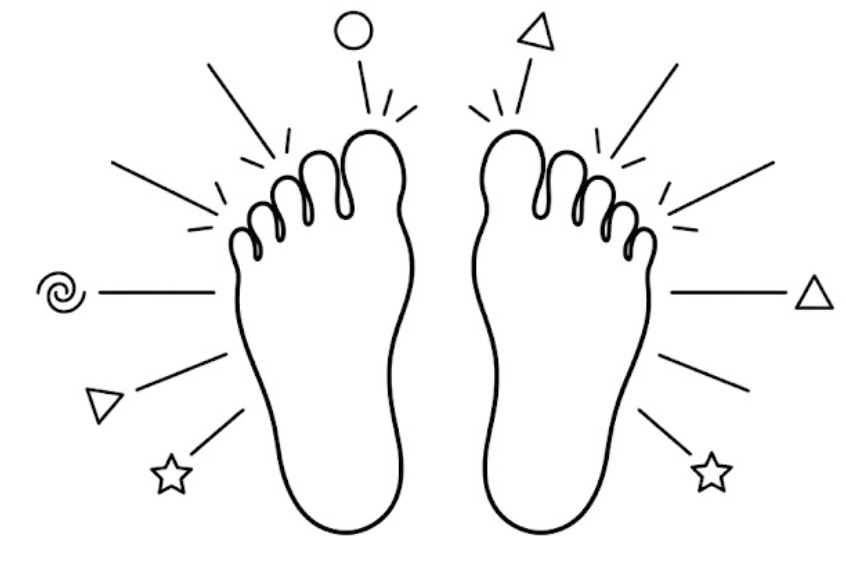
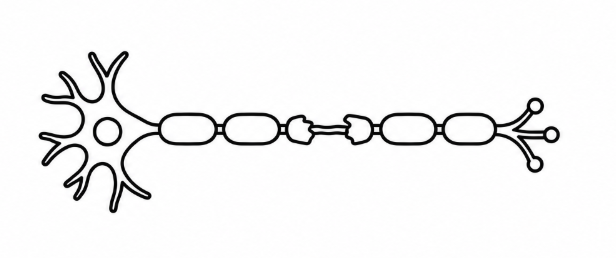
Peripheral Neuropathy
Multiple Sclerosis
Our Proven EIF Method
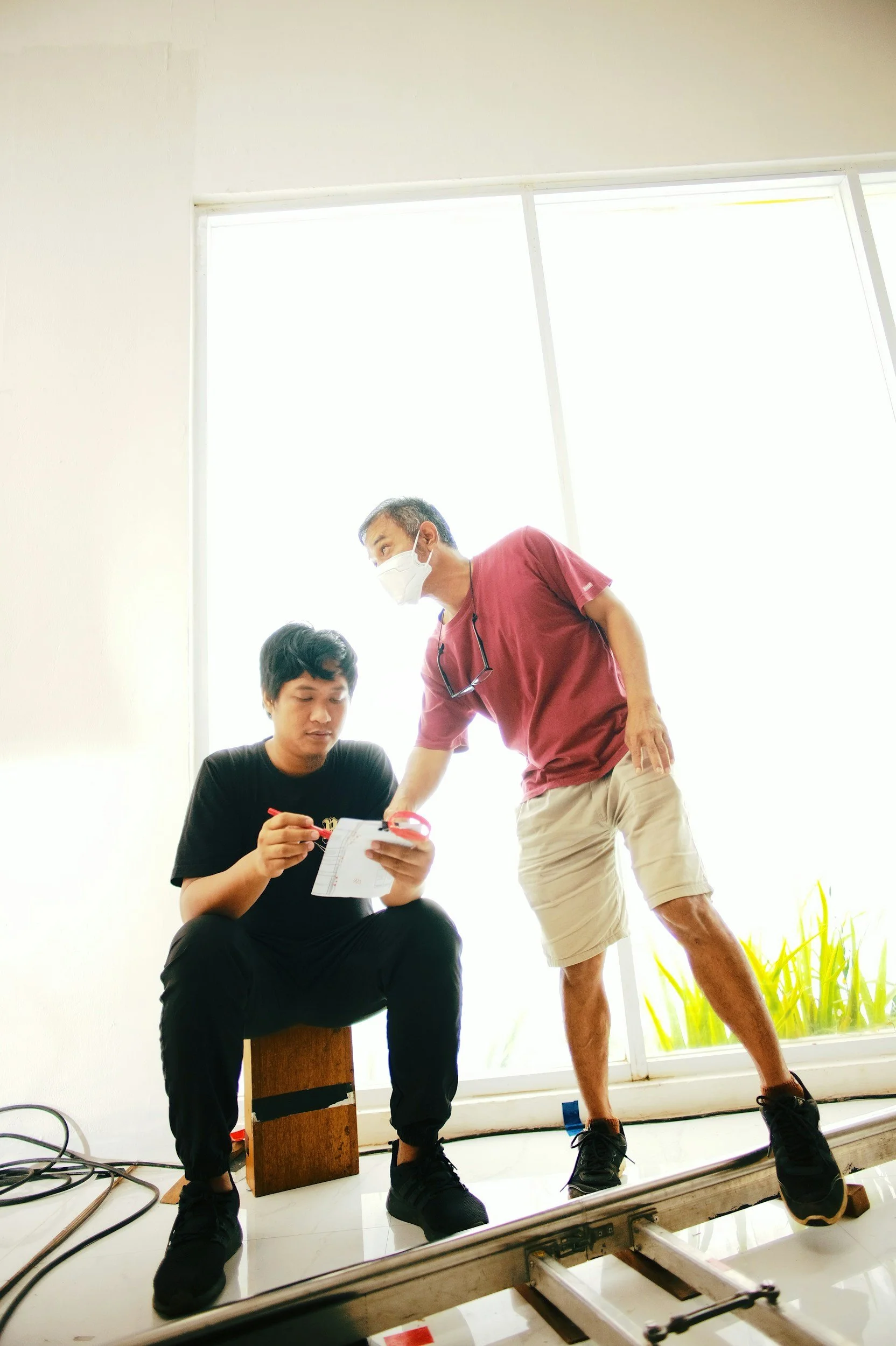
Phase 1: Evaluate, Screen, and Trial
Phase 1 includes our initial evaluation which will introduce us to you, your symptoms, and your goals. We will carry out a comprehensive evaluation to help discern the root cause of your symptoms, impairments, and functional limitations. From here we can begin to develop a plan to address your symptoms and mobility limitations. In phase 1, we trial our first interventions and assess your response as every patient requires specific, personalized care.
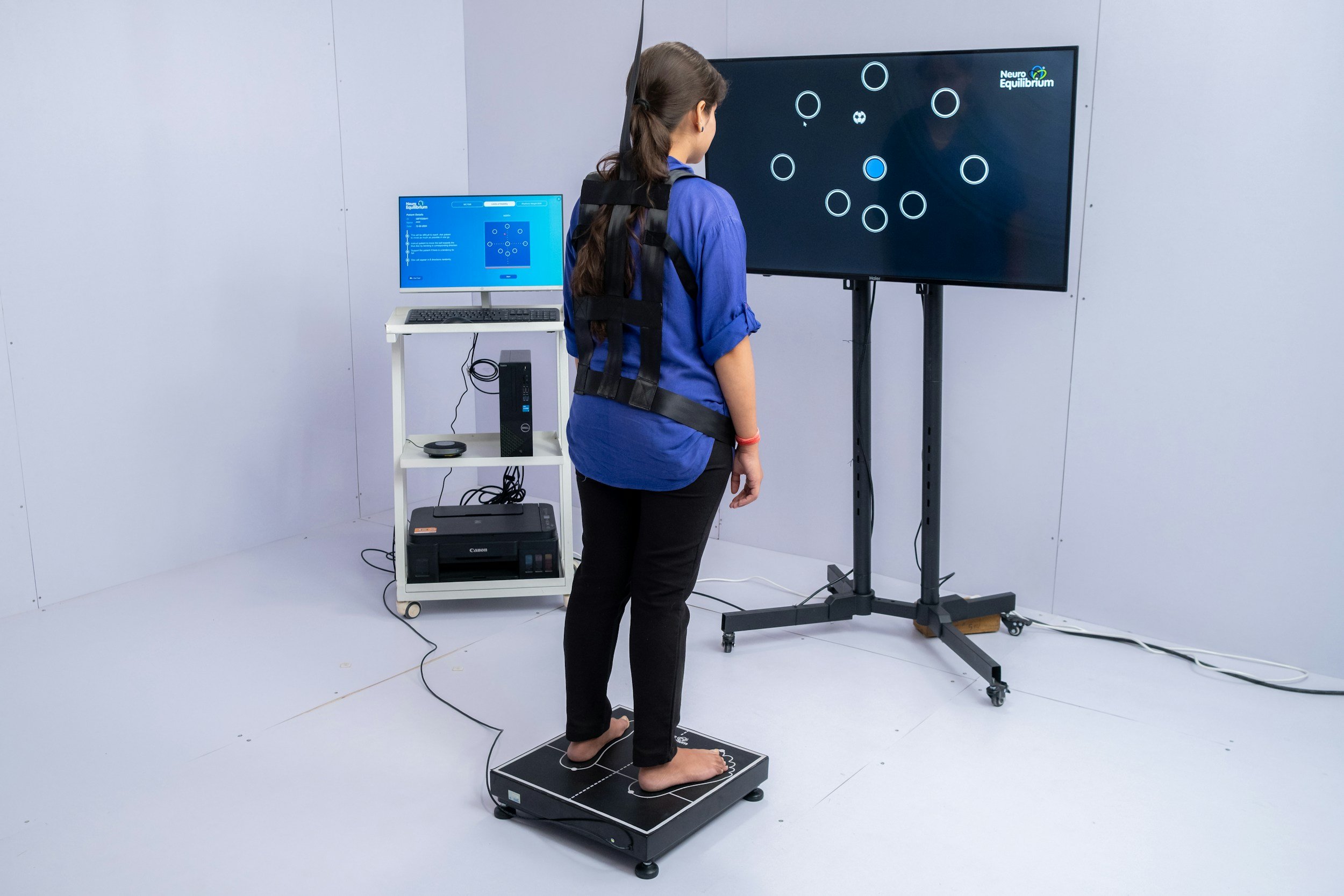
Phase 2: Intervene, Educate, Apply
Phase 2 involves delving deeper into our co-created, personalized plan to address your symptoms. In phase 2, we have identified the treatments that specifically work for you and we can begin to progress them. In phase 2, this is largely where we begin to see real functional change.
Follow up care treatment may include balance and neuromuscular reeducation, repositioning maneuvers, eye and head movement exercises, therapeutic exercise, mobility training, soft tissue mobilizations, and lifestyle and diet modifications.

Phase 3: Function, Return to Your Life
Phase 3 is where we’ll develop a personalized plan to help you move beyond the clinic and return to the activities that matter most to you. You’ll leave with the tools, strategies, and confidence to continue managing your condition and moving forward in everyday life.
Our office is conveniently located in the historic railroad district in Ashland.
750 A St, Unit D
(located in the alley between 6th and 7th street)
In-person

Too often, we hear about— and witness— the gaps in healthcare for people experiencing vestibular disorders, neurologic dysfunction and dizziness. Being referred from one provider to another, trying treatment after treatment with little success, or simply not having access to knowledgeable care can leave people feeling frustrated and, ultimately, believe there may be limited answers for their situation.
At Dizziness and Balance Center, our goal is to change that experience. We take the time to listen to your story, understand your symptoms, and put the pieces together to help identify what may be contributing to them. Most importantly, we want you to leave each session with greater clarity, tools, and a better understanding of your condition.
Through personalized vestibular and neurologic rehabilitation, we provide evidence-based care tailored to you and your specific situation. Our goal is not simply treat a diagnosis, but to give you the knowledge, tools, and confidence to move forward. You deserve to understand what you’re experiencing—and to have a plan for what comes next.